
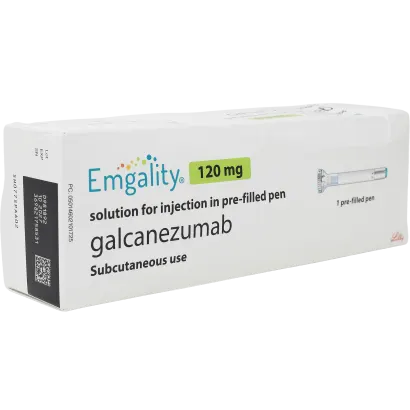



What is Emgality?
Emgality contains a medicine called galcanezumab, a targeted preventive treatment designed specifically for migraine. Unlike pain relief medicines taken during an attack, Emgality works in the background to reduce how often migraines occur.
If Emgality works well for you, it can help make migraine attacks less frequent and easier to manage. It’s usually considered after trying other preventive medicines such as propranolol or amitriptyline.
How is Emgality different from other migraine medicines?
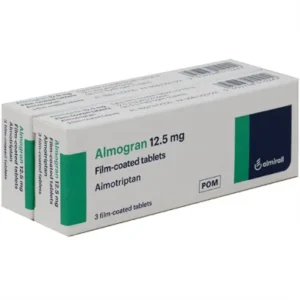
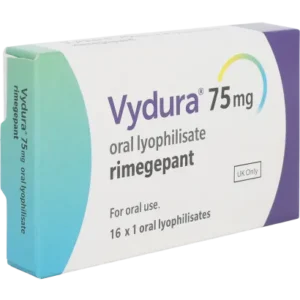
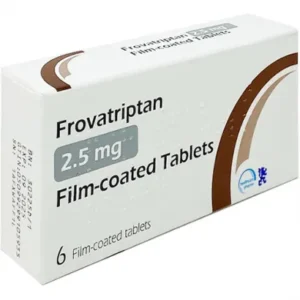
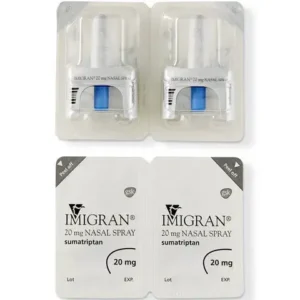
Some migraine medicines are taken when an attack starts to help relieve symptoms. These include treatments such as almotriptan, sumatriptan, frovatriptan, and rimegepant.
Emgality works differently. Instead of treating individual attacks, it’s taken once a month to reduce how often migraines happen over time. This makes it a suitable option for people who are taking acute treatments regularly or whose migraines are still affecting daily life despite trying standard preventive medicines.
Some people continue using acute treatments alongside Emgality if occasional attacks still occur.
How does Emgality work?
Emgality works by blocking a substance called calcitonin gene-related peptide (CGRP), which plays an important role in starting migraine attacks. By reducing CGRP activity, it helps lower the number of migraine days each month (2).
In clinical trials, some people notice improvement within the first week, although the full effect usually develops over several months (3). Your clinician will normally review how you’re responding at around 3 months to check whether you’re seeing good results (1).
As a guide, it is usually considered successful if migraine frequency has reduced by (1):
- At least 50% in people with episodic migraine (fewer than 15 headache days monthly), or
- At least 30% in people with chronic migraine (15 or more headache days monthly)
Could Emgality be right for you?
Emgality is usually considered when migraines are happening regularly and you have already tried three preventative treatments without success. Most people are offered standard preventive medicines first. If these haven’t worked well for you, your clinician may suggest a newer treatment like Emgality instead.
It may be appropriate if you:
- Are aged 18 or over
- Have migraine with or without aura
- Have already tried at least three preventive migraine treatments without success
- Experience 4 or more migraine days each month
- Have treatment started by a clinician experienced in migraine care
To be prescribed Emgality, you need to have a diagnosis from a migraine specialist.
Who shouldn’t take Emgality?
Emgality isn’t suitable for everyone, which is why it is a prescription-only medicine in the UK. You’ll need to complete an online consultation before being prescribed Emgality.
Treatment is not recommended if you are pregnant, planning pregnancy, breastfeeding, under 18 years old, or have certain serious cardiovascular conditions, are hypersensitive to Emgality, have severe renal or hepatic impairment (2). If you’re over 65 there is less experience with Emgality in this age group. We do not prescribe Emgality to patients over 65 for this reason.
If you’re unsure whether Emgality might be an option for you, our independent doctors can review your migraine history and previous treatments to help decide what’s most appropriate.
What benefits can Emgality offer?
Preventive migraine treatments aim to reduce how often attacks happen and how disruptive they feel day to day. With Emgality, this may include:
- Fewer migraine days each month
- Less severe migraine attacks
- Reduced need for acute migraine medicines
- Improved ability to plan work, travel, and social activities
Everyone reacts differently, which is why treatment is usually reviewed after 3 months to check how your body is responding to the medicine.
For full details about how Emgality works and what to expect from treatment, read the Patient Information Leaflet that comes with your medication.
Be the first to review “Emgality (Galcanezumab) 120mg Injection Pen”
Related products

Migraine
Migraine
Reviews
There are no reviews yet.